Alone in the Seeking: How the Spiritual Path Leads Us Into—and Out of—Isolation
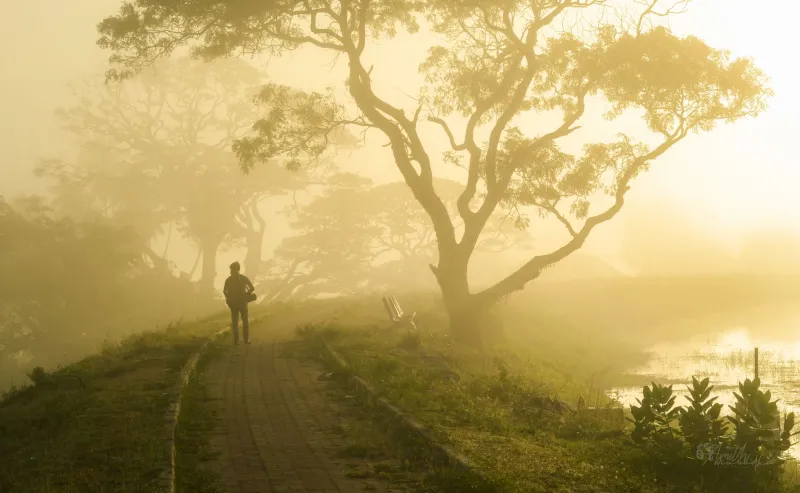
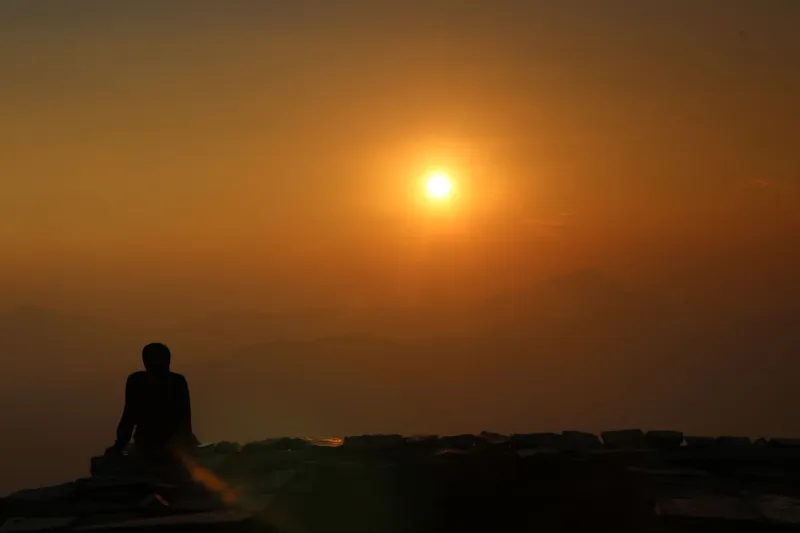
There is a particular kind of loneliness that arrives not when life falls apart, but when it begins to deepen. It is the loneliness of the person who has started asking questions that those around them are not yet asking—questions about purpose, consciousness, suffering, and the nature of what lies beneath the visible surface of everyday existence. It is, in many ways, the loneliness of awakening.
If you have ever sat across from a friend or family member and felt a quiet, aching distance—not because of conflict, but because your inner landscape had shifted in ways you could not easily explain—then you already know something of what we are describing here.
This experience is far more common than most spiritual seekers realize. And understanding its origins is the first step toward moving through it.
Why the Path Often Begins in Solitude
Spiritual seeking, by its very nature, asks us to turn inward. The contemplative traditions of the world—from Christian mysticism to Buddhist meditation, from Sufi poetry to the quiet Quaker meeting house—all point toward an interior journey that no one else can take on your behalf. There is wisdom in this. Genuine transformation cannot be outsourced.
But somewhere along the way, many seekers absorb a secondary message: that the entire journey must be solitary. That true spiritual depth is somehow incompatible with community. That needing others is a sign of incomplete development. This is not wisdom. It is, in fact, one of the more damaging myths in contemporary American spiritual culture.
The hermit in the desert cave and the monk in the silent monastery are compelling archetypes. But they are archetypes, not prescriptions. Even those figures—Saint Anthony of the Desert, Thomas Merton, the Buddha himself—existed within webs of relationship, teaching, and mutual influence. Solitude served their practice. It was never meant to be the practice's permanent home.
The Specific Loneliness of the Awakening Seeker
Research from the Pew Research Center consistently shows that Americans are leaving inherited religious institutions in significant numbers, yet reporting an increase in personal spiritual seeking. This creates a distinctive social condition: millions of people are engaged in profound inner work with fewer and fewer shared structures to hold that work communally.
The seeker who has left a childhood church but not yet found a new spiritual home. The person who meditates daily but cannot discuss it at Thanksgiving without awkward silence. The individual whose sense of the divine has grown too large for any single tradition's container. Each of these people may feel profoundly alone—not because connection is unavailable, but because the old maps for finding it no longer apply.
This loneliness has a particular texture. It is not the loneliness of social isolation. You may have many friends, a full calendar, a warm family. Yet at the level of the soul—at the level of what you are genuinely grappling with—you may feel unseen.
The Myth That Depth Requires Distance
One of the more subtle traps on the spiritual path is the belief that vulnerability about one's seeking is somehow spiritually immature. We learn to protect our inner life. We keep our questions private. We present a composed exterior while carrying enormous interior weight alone.
This impulse is understandable. Spiritual experience is intimate. It does not always survive clumsy handling. But the solution is not permanent concealment—it is discernment. Learning to share selectively, with people who have the capacity to receive what you are offering, is itself a spiritual practice.
Authentic spiritual community does not require everyone to believe the same things. It requires only that people share a commitment to honest inquiry and mutual respect. These communities exist. They are sometimes found in formal settings—interfaith congregations, meditation centers, contemplative reading groups. More often, they are assembled person by person, through careful attention and a willingness to be known.
Practical Steps Toward Genuine Spiritual Community
Building a community of fellow seekers is less about finding the right institution and more about cultivating the right qualities of relationship. Consider the following approaches.
Begin with honest self-disclosure. Not performative vulnerability, but genuine sharing of the questions you are carrying. When you speak truthfully about what you are seeking, you create an opening for others to respond in kind. Many people are waiting for permission to go deeper in conversation.
Seek curiosity over consensus. The most nourishing spiritual friendships are not those in which everyone agrees, but those in which everyone is genuinely curious. Look for people who ask good questions rather than those who offer easy answers.
Explore structured containers. Contemplative retreat centers, interfaith dialogue groups, and study circles organized around spiritual texts provide consistent frameworks for shared inquiry. In the United States, organizations such as the Contemplative Society, local Quaker meetings, and many progressive faith communities actively welcome seekers from diverse backgrounds.
Honor the solitary dimension without making it absolute. Time alone in reflection, prayer, or meditation is not opposed to community—it prepares you for it. The inner work you do in private becomes the substance you bring to shared conversation. Solitude and community are not rivals; they are partners in the larger project of a conscious life.
The Deeper Invitation
The loneliness that accompanies sincere seeking is not a sign that something has gone wrong. It is, in many ways, a sign that something is going right. It indicates that you have moved beyond inherited answers and are now living inside the actual questions. That is a significant and courageous place to be.
But it is not meant to be a permanent address.
The mystics across every tradition speak of a love that moves outward—from the individual heart toward the wider world. The contemplative journey, at its most mature, does not end in self-contained illumination. It ends in a renewed capacity for connection, for compassion, for the recognition of oneself in the face of another seeker.
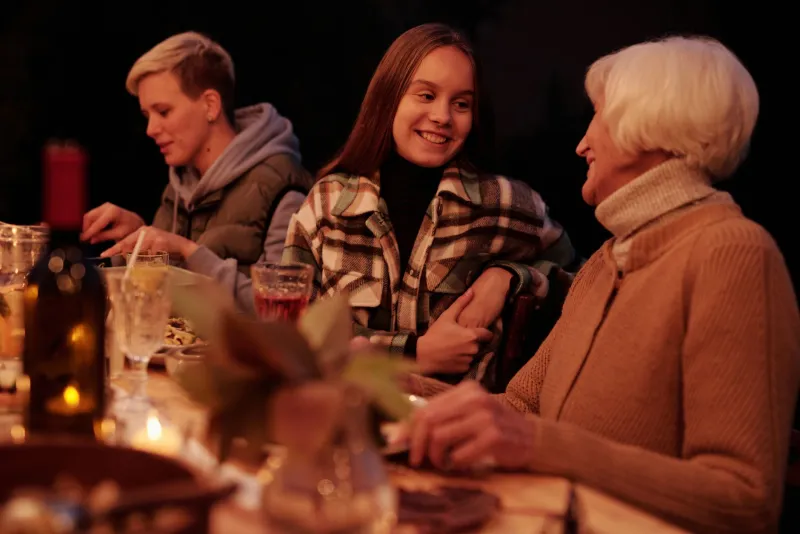
You were not meant to walk this road entirely alone. Neither were the rest of us. The work, it turns out, is to find each other—and to keep walking together.